
The Kwame Nkrumah University of Science and Technology E-Learning Centre has outlined a full programme of activities for 2026, focusing on strengthening digital teaching, assessment, training and partnerships across the University.
The plans follow an end-of-year review and mark a shift from assessment to delivery, the Centre said, adding that its work will support the University’s broader goal of improving teaching and learning through digital systems.
A key priority for the year is the launch of the Centre’s Strategic Plan, aligned with the University’s long-term direction. The plan emphasises system improvements, expanded digital learning, and practical skills support for staff and students.
January 2026 has been dedicated to online teaching and learning activities, with more than 70 academic staff expected to undergo training in instructional design. The training aims to help lecturers develop and improve online course content and strengthen blended teaching approaches.
The Centre said the objective is to build a pool of trained staff capable of supporting quality online learning across colleges.
As part of efforts to improve coordination, the Centre plans to introduce a campus-wide E-Learning Innovators Network. The network will bring together staff and students who have completed training in digital teaching and innovation, and will serve as a platform for sharing ideas, promoting best practices and supporting colleagues within colleges.
The Centre will also roll out a ranking and recognition system to assess staff engagement with e-learning systems. Participants will receive digital badges based on defined criteria, while colleges will be ranked using a framework that measures the effective use of e-learning tools in teaching and learning.
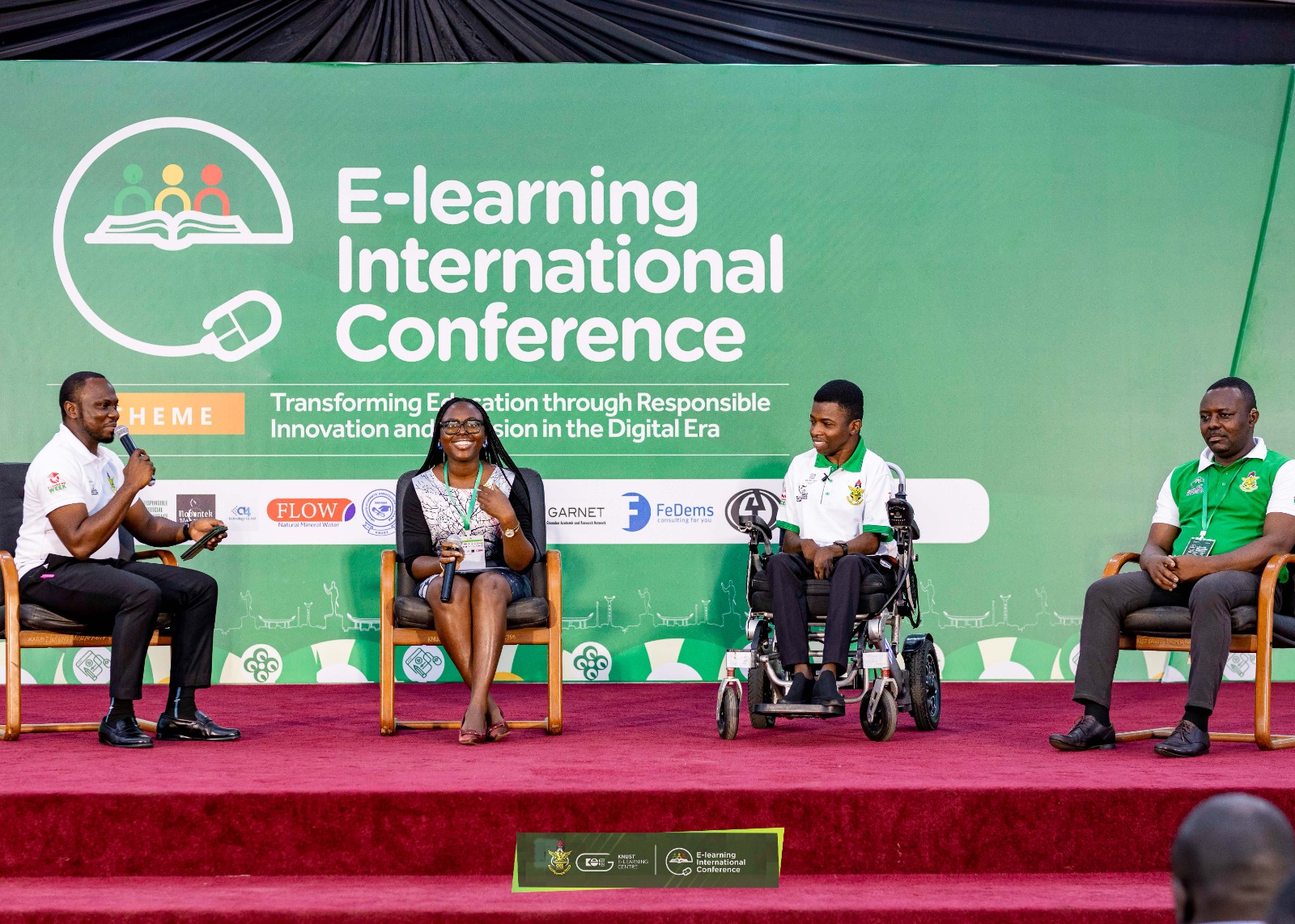
The Annual E-Learning Conference is expected to be one of the Centre’s flagship activities in 2026. Plans are underway to expand the conference by engaging more external partners and broadening discussions around digital learning. The E-Learning Ambassador Network will also be expanded to support stronger external partnerships.
Ahead of the first congregation of the year, the Centre plans to launch a professional development platform targeting students, alumni and the general public. The platform will focus on digital skills, including artificial intelligence, and provide pathways for career development and reskilling.
Students remain central to the Centre’s agenda, which it said is designed to improve access to learning, support skills development and ensure teaching methods meet current demands.
Through these initiatives, the E-Learning Centre is expected to play a leading role in strengthening teaching and learning at KNUST through the effective use of digital technologies.


